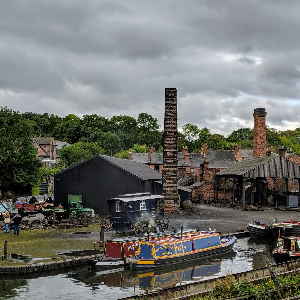
Skippered Boat Trips and Visitor Centres
Roundhouse
The Roundhouse, 1 Sheepcote St, Birmingham, B16 8AE
The Birmingham Canal Navigations (BCN) is one of the largest and most complex canal networks in the United Kingdom. Built mainly during the late 18th and early 19th centuries, it was designed to connect Birmingham with surrounding industrial towns and provide an efficient way to transport coal, iron, and manufactured goods during the Industrial Revolution. At its peak, the BCN stretched for over 160 miles (257 km) of canals, linking factories, mines, and warehouses across the West Midlands. The network includes many locks, tunnels, and junctions that allowed boats to travel through the region’s varied landscape. Today, while it is no longer used for large-scale industry, the canals are popular for leisure boating, walking, and cycling, and they remain an important symbol of Birmingham’s industrial heritage.
Canal and riverside visitor attractions in the UK offer a rich mix of history, engineering, and natural beauty, drawing visitors of all ages. Highlights include the iconic Pontcysyllte Aqueduct in Wales, a UNESCO World Heritage Site that carries boats high above the Dee Valley, and the impressive Falkirk Wheel in Scotland, a rotating boat lift connecting the Forth & Clyde and Union Canals. Many waterways are home to interactive museums, such as the National Waterways Museum in Ellesmere Port and the Canal Museum in Stoke Bruerne, where visitors can learn about the lives of boatmen and the evolution of Britain’s canal network. Scenic boat trips, heritage railways running alongside rivers, wildlife reserves, and family-friendly towpath trails add to the appeal, making canal and riverside attractions ideal for day trips and holidays alike. Whether exploring historic locks, marvelling at engineering feats, or simply enjoying waterside walks and picnics, these attractions showcase the unique charm and cultural heritage of Britain’s inland waterways.