Marina
Cove Marina
Riverside Estate, Brundall, Norfolk, NR13 5PL
The Scottish Lowland Canals—comprising the Forth & Clyde Canal and the Union Canal—are two historic waterways that cross central Scotland, linking the east and west coasts from Edinburgh to Glasgow. Built in the late 18th and early 19th centuries, these canals played a crucial role in Scotland’s industrial development, transporting goods, coal, and passengers across the region. Today, the Lowland Canals are celebrated for their picturesque scenery, engineering marvels like the Falkirk Wheel boat lift, and revitalized towpaths popular with walkers and cyclists. The canals pass through vibrant cities, tranquil countryside, and charming villages, offering a unique way to explore Scotland’s history, culture, and natural beauty by water.
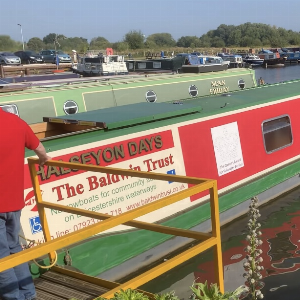
Inland marinas and boatyards in the UK are important facilities that support boating on the country’s network of canals and rivers. They provide services such as boat moorings, repairs, maintenance, fuel, and supplies for boat owners and visitors. Many marinas are located along major waterways like the River Severn, the Trent and Mersey Canal, and the Grand Union Canal, making them convenient stopping points for people travelling by narrowboat or cruiser. Boatyards often specialise in building, repairing, or restoring boats, while marinas usually provide safe places to moor and access to facilities such as electricity, water, and showers. Today, inland marinas and boatyards also attract tourists and leisure boaters, helping to support local economies and keep the UK’s historic waterways active and well maintained.